
Sustainability has become an increasingly important consideration for homeowners planning renovations or home upgrades. Rising energy costs, environmental awareness, and a desire for healthier living environments have encouraged many people to rethink how their homes are designed, built, and maintained. Rather than focusing only on aesthetics or short-term improvements, modern remodeling projects often aim to reduce waste, conserve energy, and use materials that will last for decades.
Building a more sustainable home does not necessarily require a complete overhaul or an entirely new structure. In many cases, strategic updates can dramatically improve a home’s efficiency, comfort, and durability. Thoughtful planning allows homeowners to choose better materials, improve ventilation, upgrade aging systems, and design spaces that support long-term environmental responsibility.
Working with experienced professionals can make a significant difference when pursuing these goals. Renovation experts understand how various systems within a home interact and how to make improvements that deliver meaningful results. From selecting materials to managing construction timelines, knowledgeable guidance helps ensure that sustainability goals translate into practical, lasting upgrades.
Evaluating Your Home’s Current Efficiency Before Starting Renovations
Before beginning any major renovation project, it is essential to evaluate the current condition and efficiency of the home. Many homeowners rush into remodeling projects with design ideas in mind, but overlooking structural and energy performance issues can lead to missed opportunities for improvement. A careful assessment helps identify where the home is losing energy, where materials may be deteriorating, and which upgrades will produce the greatest long-term impact.
A professional remodeling company often begins the process by conducting a thorough evaluation of the home’s layout, insulation, ventilation, and structural integrity. This early assessment allows professionals to determine which elements should be repaired, upgraded, or replaced to improve overall performance. In many cases, seemingly small issues such as air leaks, outdated materials, or poor ventilation can significantly affect energy efficiency and indoor comfort.
Working with a home remodeling contractor also helps homeowners prioritize upgrades that provide the most sustainable benefits. Rather than replacing elements that are still functional, experienced professionals focus on areas where improvements will reduce energy consumption, improve durability, and enhance the overall livability of the home.
Several key factors are typically evaluated during this stage:
- The condition of insulation in walls, ceilings, and floors
- Air leaks around windows, doors, and vents
- Outdated appliances or ventilation systems
- Structural issues that may affect long-term durability
By understanding the current performance of the home, homeowners can make informed decisions about where to invest their renovation budget. Addressing inefficiencies early in the process ensures that future upgrades work together to create a more sustainable living environment.
Choosing Experienced Professionals Who Understand Sustainable Building

Sustainable renovations require careful coordination between multiple skilled trades. Selecting experienced professionals ensures that each stage of the project is handled efficiently while minimizing waste and maximizing durability. A knowledgeable team can also help homeowners navigate material choices and building techniques that support environmental goals.
The general contractor typically serves as the central coordinator for a renovation project. This professional manages schedules, oversees subcontractors, ensures that work complies with building codes, and keeps the project moving forward. When sustainability is a priority, this role becomes even more important because multiple elements—from ventilation to material sourcing—must align to achieve the desired results.
Skilled tradespeople also play an important role in reducing waste and ensuring precise installations. For example, an experienced carpenter understands how to measure and cut materials efficiently, which helps minimize leftover scraps and unnecessary consumption. Proper craftsmanship ensures that materials last longer and reduces the likelihood that components will need to be replaced prematurely.
Homeowners should take time to discuss sustainability practices with potential contractors before beginning a renovation. Asking detailed questions about material sourcing, waste management, and construction methods can reveal whether a professional is committed to environmentally responsible building practices.
Important considerations when selecting a construction team include:
- Experience with energy-efficient renovation techniques
- Familiarity with durable, environmentally responsible materials
- Strong project coordination and scheduling abilities
- Transparent communication and detailed project planning
- Commitment to minimizing construction waste
A well-organized team not only improves the outcome of a renovation but also ensures that each decision contributes to a home that performs better for years to come.
Improving Energy Efficiency Through Better Window Systems
Windows play a significant role in determining how efficiently a home retains heat in the winter and stays cool during the summer. Older windows often allow conditioned air to escape while permitting outside temperatures to influence indoor comfort. As a result, heating and cooling systems must work harder to maintain consistent temperatures, which increases energy consumption.
Upgrading window systems can dramatically improve energy efficiency while also enhancing natural lighting and overall comfort. Modern windows are designed with advanced materials and insulation features that reduce heat transfer and improve air sealing. These improvements can make a noticeable difference in both utility costs and indoor temperature stability.
Homeowners who invest in local window replacement projects often find that the benefits extend beyond energy savings. New windows can improve noise reduction, increase property value, and enhance the visual appearance of the home. When properly installed, these upgrades also reduce drafts and eliminate many of the moisture issues associated with aging window frames.
Several factors should be considered when selecting energy-efficient window systems:
- Double- or triple-pane glass for improved insulation
- Low-emissivity coatings that reflect heat while allowing light inside
- Durable frame materials that resist warping and moisture damage
- Proper sealing and professional installation
Replacing outdated windows may seem like a cosmetic improvement at first glance, but the long-term energy savings and comfort improvements make it one of the most effective sustainable renovation strategies available.
Designing Outdoor Living Spaces That Support Sustainability
Outdoor living areas have become an increasingly popular feature in modern homes. These spaces allow families to relax, entertain, and enjoy nature while extending the functional area of the home. When designed thoughtfully, outdoor structures can also contribute to sustainable living practices.
One example is the construction of a custom deck that uses responsibly sourced materials and efficient design techniques. Decks can provide shaded outdoor areas that reduce indoor cooling demands while creating additional gathering space for family and guests. Choosing durable materials ensures that the structure will remain functional for many years without requiring frequent repairs or replacement.
Sustainable deck design involves more than selecting environmentally friendly materials. Proper placement and orientation can maximize natural shade and airflow, which helps regulate temperatures around the home. Additionally, drainage and moisture management should be considered to prevent water damage and extend the lifespan of the structure.
Homeowners planning outdoor upgrades should consider the following strategies:
- Selecting materials that resist weather damage and require minimal chemical treatments
- Designing layouts that promote natural airflow and shading
- Installing durable hardware that prevents premature deterioration
- Maintaining surfaces regularly to extend structural life
Outdoor spaces built with sustainability in mind not only enhance the home’s usability but also contribute to energy efficiency and environmental responsibility.
Creating a Healthier Kitchen With Efficient Ventilation
Kitchens generate heat, moisture, and airborne particles during everyday cooking activities. Without proper ventilation, these elements can accumulate indoors and affect air quality throughout the home. Over time, poor ventilation may also contribute to moisture damage or lingering odors.
One of the most effective ways to improve indoor air quality is through proper kitchen hood installation. Ventilation systems remove smoke, steam, grease particles, and heat from the cooking area, directing them safely outside the home. This process helps maintain a healthier indoor environment and reduces strain on air conditioning systems.
Efficient ventilation can also contribute to energy savings by preventing excess heat buildup in the kitchen. When hot air is removed quickly, cooling systems do not need to work as hard to maintain comfortable indoor temperatures.
Key benefits of improved kitchen ventilation include:
- Better indoor air quality during cooking
- Reduced moisture and humidity buildup
- Improved comfort in nearby living areas
- Lower cooling demands during warm months
Investing in proper ventilation ensures that kitchen spaces remain comfortable, functional, and healthier for everyone in the household.
Selecting Durable Surfaces That Reduce Long-Term Waste
Sustainable remodeling involves choosing materials that will last for many years without requiring frequent replacement. Durable surfaces not only reduce renovation waste but also minimize maintenance and repair costs over time. Kitchens and bathrooms, in particular, benefit from materials designed to withstand daily wear.
High-quality kitchen countertops are an excellent example of a long-lasting investment. Durable countertop materials resist scratches, stains, and heat damage while maintaining their appearance over time. Selecting surfaces with strong structural properties ensures that they will remain functional even in high-traffic areas of the home.
Another versa tile option for sustainable surfaces is tile. This material offers exceptional durability and moisture resistance, making it suitable for flooring, backsplashes, and bathroom installations. Because tile is resistant to water and staining, it can maintain its appearance for decades when properly installed and maintained.
When selecting materials, homeowners should consider several factors:
- Longevity and resistance to wear
- Ease of maintenance and cleaning
- Environmental impact of manufacturing processes
- Compatibility with the home’s overall design
Choosing materials that remain functional for many years significantly reduces construction waste and helps create a home that is both beautiful and environmentally responsible.
Maintaining Existing Systems to Reduce Unnecessary Replacement
Sustainability is not only about installing new materials or systems; it also involves maintaining existing equipment to extend its lifespan. Regular maintenance helps prevent premature failures and reduces the need for replacements that contribute to landfill waste.
An appliance repair service can play an important role in keeping household systems functioning efficiently. Many appliances experience minor issues that can be repaired quickly and affordably, allowing them to continue operating for many more years. Addressing small problems early often prevents larger failures that would require full replacement.
Maintaining appliances also helps ensure they operate at peak efficiency. Clean filters, properly calibrated components, and functional seals all contribute to reduced energy consumption and improved performance.
Homeowners can support appliance longevity by following several maintenance practices:
- Scheduling periodic inspections and tune-ups
- Cleaning vents, filters, and moving components regularly
- Addressing unusual noises or performance issues promptly
- Replacing worn parts before major damage occurs
These proactive steps help reduce environmental impact while also saving money on major appliance replacements.
Planning Renovations That Minimize Construction Waste
Construction projects can generate significant amounts of waste if materials are not managed carefully. Sustainable renovation planning focuses on reducing unnecessary disposal while finding ways to reuse or recycle materials whenever possible.
A well-organized remodeling company can implement strategies that significantly reduce construction waste. By accurately measuring materials, coordinating deliveries, and recycling usable components, renovation teams can prevent excess debris from ending up in landfills.
The general contractor also plays an important role in coordinating these efforts. Careful planning ensures that materials are ordered in appropriate quantities and that demolition processes allow reusable components to be salvaged.
Common waste-reduction strategies include:
- Recycling wood, metal, and other construction materials
- Reusing cabinets, fixtures, or hardware when possible
- Donating usable items to local reuse organizations
- Ordering materials carefully to prevent overstock
When waste reduction is incorporated into the renovation plan, projects become more environmentally responsible while also improving cost efficiency.
Balancing Sustainability, Budget, and Long-Term Home Value
One of the most common concerns homeowners face when planning sustainable renovations is balancing environmental goals with financial considerations. While some eco-friendly upgrades may require higher upfront investments, many of them produce long-term savings through reduced energy costs and improved durability.
A knowledgeable home remodeling contractor can help homeowners evaluate the potential return on investment for various upgrades. By prioritizing improvements that deliver the greatest efficiency gains, homeowners can make smart decisions that align with both sustainability and financial goals.
Energy-efficient windows, durable materials, and improved ventilation systems often produce measurable savings over time. Additionally, sustainable features may increase property value and attract buyers who are looking for efficient homes.
When planning upgrades, homeowners should consider:
- Initial installation costs compared to long-term savings
- Expected lifespan of materials and systems
- Impact on energy consumption and utility bills
- Potential influence on property value
Balancing these factors ensures that sustainability improvements remain practical and financially responsible.
Creating a more sustainable home involves thoughtful planning, careful material selection, and a commitment to long-term efficiency. By focusing on durable upgrades and responsible construction practices, homeowners can reduce environmental impact while improving comfort and performance throughout the house.
Sustainability has become an increasingly important consideration for homeowners planning renovations or home upgrades. Rising energy costs, environmental awareness, and a desire for healthier living environments have encouraged many people to rethink how their homes are designed, built, and maintained. Rather than focusing only on aesthetics or short-term improvements, modern remodeling projects often aim to reduce waste, conserve energy, and use materials that will last for decades.
Building a more sustainable home does not necessarily require a complete overhaul or an entirely new structure. In many cases, strategic updates can dramatically improve a home’s efficiency, comfort, and durability. Thoughtful planning allows homeowners to choose better materials, improve ventilation, upgrade aging systems, and design spaces that support long-term environmental responsibility.
Working with experienced professionals can make a significant difference when pursuing these goals. Renovation experts understand how various systems within a home interact and how to make improvements that deliver meaningful results. From selecting materials to managing construction timelines, knowledgeable guidance helps ensure that sustainability goals translate into practical, lasting upgrades.
Evaluating Your Home’s Current Efficiency Before Starting Renovations
Before beginning any major renovation project, it is essential to evaluate the current condition and efficiency of the home. Many homeowners rush into remodeling projects with design ideas in mind, but overlooking structural and energy performance issues can lead to missed opportunities for improvement. A careful assessment helps identify where the home is losing energy, where materials may be deteriorating, and which upgrades will produce the greatest long-term impact.
A professional remodeling company often begins the process by conducting a thorough evaluation of the home’s layout, insulation, ventilation, and structural integrity. This early assessment allows professionals to determine which elements should be repaired, upgraded, or replaced to improve overall performance. In many cases, seemingly small issues such as air leaks, outdated materials, or poor ventilation can significantly affect energy efficiency and indoor comfort.
Working with a home remodeling contractor also helps homeowners prioritize upgrades that provide the most sustainable benefits. Rather than replacing elements that are still functional, experienced professionals focus on areas where improvements will reduce energy consumption, improve durability, and enhance the overall livability of the home.
Several key factors are typically evaluated during this stage:
- The condition of insulation in walls, ceilings, and floors
- Air leaks around windows, doors, and vents
- Outdated appliances or ventilation systems
- Structural issues that may affect long-term durability
By understanding the current performance of the home, homeowners can make informed decisions about where to invest their renovation budget. Addressing inefficiencies early in the process ensures that future upgrades work together to create a more sustainable living environment.
Choosing Experienced Professionals Who Understand Sustainable Building
Sustainable renovations require careful coordination between multiple skilled trades. Selecting experienced professionals ensures that each stage of the project is handled efficiently while minimizing waste and maximizing durability. A knowledgeable team can also help homeowners navigate material choices and building techniques that support environmental goals.
The general contractor typically serves as the central coordinator for a renovation project. This professional manages schedules, oversees subcontractors, ensures that work complies with building codes, and keeps the project moving forward. When sustainability is a priority, this role becomes even more important because multiple elements—from ventilation to material sourcing—must align to achieve the desired results.
Skilled tradespeople also play an important role in reducing waste and ensuring precise installations. For example, an experienced carpenter understands how to measure and cut materials efficiently, which helps minimize leftover scraps and unnecessary consumption. Proper craftsmanship ensures that materials last longer and reduces the likelihood that components will need to be replaced prematurely.
Homeowners should take time to discuss sustainability practices with potential contractors before beginning a renovation. Asking detailed questions about material sourcing, waste management, and construction methods can reveal whether a professional is committed to environmentally responsible building practices.
Important considerations when selecting a construction team include:
- Experience with energy-efficient renovation techniques
- Familiarity with durable, environmentally responsible materials
- Strong project coordination and scheduling abilities
- Transparent communication and detailed project planning
- Commitment to minimizing construction waste
A well-organized team not only improves the outcome of a renovation but also ensures that each decision contributes to a home that performs better for years to come.
Improving Energy Efficiency Through Better Window Systems
Windows play a significant role in determining how efficiently a home retains heat in the winter and stays cool during the summer. Older windows often allow conditioned air to escape while permitting outside temperatures to influence indoor comfort. As a result, heating and cooling systems must work harder to maintain consistent temperatures, which increases energy consumption.
Upgrading window systems can dramatically improve energy efficiency while also enhancing natural lighting and overall comfort. Modern windows are designed with advanced materials and insulation features that reduce heat transfer and improve air sealing. These improvements can make a noticeable difference in both utility costs and indoor temperature stability.
Homeowners who invest in local window replacement projects often find that the benefits extend beyond energy savings. New windows can improve noise reduction, increase property value, and enhance the visual appearance of the home. When properly installed, these upgrades also reduce drafts and eliminate many of the moisture issues associated with aging window frames.
Several factors should be considered when selecting energy-efficient window systems:
- Double- or triple-pane glass for improved insulation
- Low-emissivity coatings that reflect heat while allowing light inside
- Durable frame materials that resist warping and moisture damage
- Proper sealing and professional installation
Replacing outdated windows may seem like a cosmetic improvement at first glance, but the long-term energy savings and comfort improvements make it one of the most effective sustainable renovation strategies available.
Designing Outdoor Living Spaces That Support Sustainability
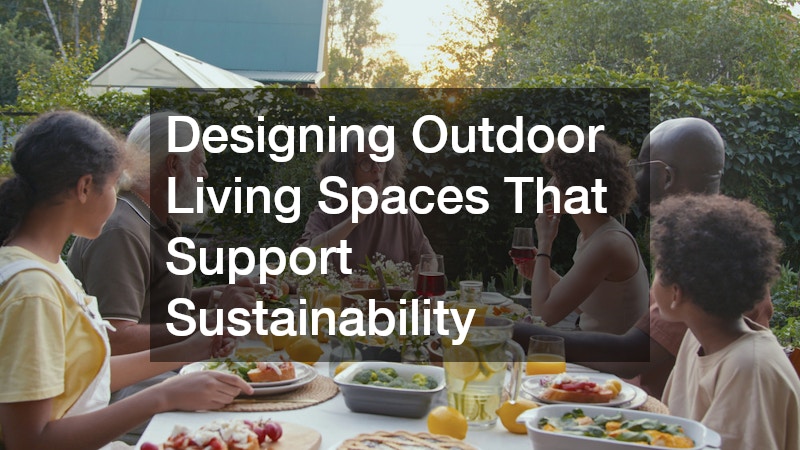
Outdoor living areas have become an increasingly popular feature in modern homes. These spaces allow families to relax, entertain, and enjoy nature while extending the functional area of the home. When designed thoughtfully, outdoor structures can also contribute to sustainable living practices.
One example is the construction of a custom deck that uses responsibly sourced materials and efficient design techniques. Decks can provide shaded outdoor areas that reduce indoor cooling demands while creating additional gathering space for family and guests. Choosing durable materials ensures that the structure will remain functional for many years without requiring frequent repairs or replacement.
Sustainable deck design involves more than selecting environmentally friendly materials. Proper placement and orientation can maximize natural shade and airflow, which helps regulate temperatures around the home. Additionally, drainage and moisture management should be considered to prevent water damage and extend the lifespan of the structure.
Homeowners planning outdoor upgrades should consider the following strategies:
- Selecting materials that resist weather damage and require minimal chemical treatments
- Designing layouts that promote natural airflow and shading
- Installing durable hardware that prevents premature deterioration
- Maintaining surfaces regularly to extend structural life
Outdoor spaces built with sustainability in mind not only enhance the home’s usability but also contribute to energy efficiency and environmental responsibility.
Creating a Healthier Kitchen With Efficient Ventilation
Kitchens generate heat, moisture, and airborne particles during everyday cooking activities. Without proper ventilation, these elements can accumulate indoors and affect air quality throughout the home. Over time, poor ventilation may also contribute to moisture damage or lingering odors.
One of the most effective ways to improve indoor air quality is through proper kitchen hood installation. Ventilation systems remove smoke, steam, grease particles, and heat from the cooking area, directing them safely outside the home. This process helps maintain a healthier indoor environment and reduces strain on air conditioning systems.
Efficient ventilation can also contribute to energy savings by preventing excess heat buildup in the kitchen. When hot air is removed quickly, cooling systems do not need to work as hard to maintain comfortable indoor temperatures.
Key benefits of improved kitchen ventilation include:
- Better indoor air quality during cooking
- Reduced moisture and humidity buildup
- Improved comfort in nearby living areas
- Lower cooling demands during warm months
Investing in proper ventilation ensures that kitchen spaces remain comfortable, functional, and healthier for everyone in the household.
Selecting Durable Surfaces That Reduce Long-Term Waste

Sustainable remodeling involves choosing materials that will last for many years without requiring frequent replacement. Durable surfaces not only reduce renovation waste but also minimize maintenance and repair costs over time. Kitchens and bathrooms, in particular, benefit from materials designed to withstand daily wear.
High-quality kitchen countertops are an excellent example of a long-lasting investment. Durable countertop materials resist scratches, stains, and heat damage while maintaining their appearance over time. Selecting surfaces with strong structural properties ensures that they will remain functional even in high-traffic areas of the home.
Another versa tile option for sustainable surfaces is tile. This material offers exceptional durability and moisture resistance, making it suitable for flooring, backsplashes, and bathroom installations. Because tile is resistant to water and staining, it can maintain its appearance for decades when properly installed and maintained.
When selecting materials, homeowners should consider several factors:
- Longevity and resistance to wear
- Ease of maintenance and cleaning
- Environmental impact of manufacturing processes
- Compatibility with the home’s overall design
Choosing materials that remain functional for many years significantly reduces construction waste and helps create a home that is both beautiful and environmentally responsible.
Maintaining Existing Systems to Reduce Unnecessary Replacement
Sustainability is not only about installing new materials or systems; it also involves maintaining existing equipment to extend its lifespan. Regular maintenance helps prevent premature failures and reduces the need for replacements that contribute to landfill waste.
An appliance repair service can play an important role in keeping household systems functioning efficiently. Many appliances experience minor issues that can be repaired quickly and affordably, allowing them to continue operating for many more years. Addressing small problems early often prevents larger failures that would require full replacement.
Maintaining appliances also helps ensure they operate at peak efficiency. Clean filters, properly calibrated components, and functional seals all contribute to reduced energy consumption and improved performance.
Homeowners can support appliance longevity by following several maintenance practices:
- Scheduling periodic inspections and tune-ups
- Cleaning vents, filters, and moving components regularly
- Addressing unusual noises or performance issues promptly
- Replacing worn parts before major damage occurs
These proactive steps help reduce environmental impact while also saving money on major appliance replacements.
Planning Renovations That Minimize Construction Waste

Construction projects can generate significant amounts of waste if materials are not managed carefully. Sustainable renovation planning focuses on reducing unnecessary disposal while finding ways to reuse or recycle materials whenever possible.
A well-organized remodeling company can implement strategies that significantly reduce construction waste. By accurately measuring materials, coordinating deliveries, and recycling usable components, renovation teams can prevent excess debris from ending up in landfills.
The general contractor also plays an important role in coordinating these efforts. Careful planning ensures that materials are ordered in appropriate quantities and that demolition processes allow reusable components to be salvaged.
Common waste-reduction strategies include:
- Recycling wood, metal, and other construction materials
- Reusing cabinets, fixtures, or hardware when possible
- Donating usable items to local reuse organizations
- Ordering materials carefully to prevent overstock
When waste reduction is incorporated into the renovation plan, projects become more environmentally responsible while also improving cost efficiency.
Balancing Sustainability, Budget, and Long-Term Home Value
One of the most common concerns homeowners face when planning sustainable renovations is balancing environmental goals with financial considerations. While some eco-friendly upgrades may require higher upfront investments, many of them produce long-term savings through reduced energy costs and improved durability.
A knowledgeable home remodeling contractor can help homeowners evaluate the potential return on investment for various upgrades. By prioritizing improvements that deliver the greatest efficiency gains, homeowners can make smart decisions that align with both sustainability and financial goals.
Energy-efficient windows, durable materials, and improved ventilation systems often produce measurable savings over time. Additionally, sustainable features may increase property value and attract buyers who are looking for efficient homes.
When planning upgrades, homeowners should consider:
- Initial installation costs compared to long-term savings
- Expected lifespan of materials and systems
- Impact on energy consumption and utility bills
- Potential influence on property value
Balancing these factors ensures that sustainability improvements remain practical and financially responsible.
Creating a more sustainable home involves thoughtful planning, careful material selection, and a commitment to long-term efficiency. By focusing on durable upgrades and responsible construction practices, homeowners can reduce environmental impact while improving comfort and performance throughout the house.